
Many people wonder if there’s a way to turn back the clock on nearsightedness, also known as myopia. It’s a common question, especially for parents who notice their child’s vision changing year after year. You want clear answers about what’s possible for your family’s eye health.
While myopia cannot be medically reversed or cured, there are effective ways to correct your vision and manage its progression. Modern eye care focuses on providing clear sight and slowing down how quickly myopia worsens, particularly in children.
What Is Myopia or Nearsightedness?
Myopia is a common eye condition that makes distant objects look blurry while close-up objects remain clear. It happens when the eye grows too long from front to back. This shape causes light to focus in front of the retina instead of directly on it.
This condition often begins in childhood and can progress until the late teens or early twenties. It’s important to monitor myopia because higher levels can increase the risk for other eye health issues later in life. Knowing how often to have an eye exam helps the eye doctor keep track of these changes.
The Straight Answer: Correction vs. Reversal
Once the eye has grown longer, there isn’t a natural way to shrink it back to its original size. So, in the medical sense, myopia cannot be reversed. However, your vision can be corrected, and the progression of myopia can be slowed down.
How Treatments Like LASIK and Ortho-K Work
Vision correction procedures work by changing the shape of your cornea—the clear front surface of your eye. LASIK permanently reshapes it, while ortho-k lenses reshape it temporarily overnight. These methods help you see clearly without glasses, but they don’t change the length of your eyeball.
The Difference Between True Myopia and Pseudomyopia
Sometimes, what seems like myopia is actually “pseudomyopia.” This is a temporary condition caused by eye muscle strain from too much close-up work. To see clearly up close, your eye uses a focusing process called accommodation, which relies on a specialized muscle. During prolonged near work, this muscle can become overly tight or even go into spasm. When that happens, your eye may stay focused for near vision even when you look into the distance, such as out a window. Unlike true myopia, this condition can improve with visual rest, proper eye habits and appropriate eyewear when needed.
Common Myths About Myopia Reversal
You can find many claims online about curing nearsightedness. It’s helpful to separate fact from fiction when it comes to your eye health. Let’s look at a few common myths.
Eye Exercises and Vision Training
While specific exercises, often part of vision therapy programs, can help with certain eye muscle coordination issues, they don’t shorten the eyeball. Therefore, they cannot reverse true myopia. These exercises are meant for different eye conditions.
Special Diets and Vitamins
A healthy diet supports your overall eye health, which is always a great choice. However, no specific food or vitamin supplement has been shown to reverse myopia. Good nutrition is part of a complete health plan, not a cure for nearsightedness.
Press on Your Eyes
This is an old myth that is not effective and could be harmful. Pressing on your eyes can increase the pressure inside them. This pressure on the eye and its surface has a number of dangers that may lead to damage, so it’s a practice to avoid.
How We Can Manage Myopia Progression
While we can’t reverse myopia, we can take active steps to slow it down. This is particularly important for children whose eyes are still developing, as high myopia increases future health risks. Myopia management is a key part of modern pediatric eye care.
The Role of an Eye Doctor in Ottawa
Regular eye exams are key to managing myopia. An eye doctor in Ottawa can track changes in your child’s prescription and eyeball length. This allows for early intervention and a personalized management plan to protect their long-term vision.
Specialized Lenses and Treatments
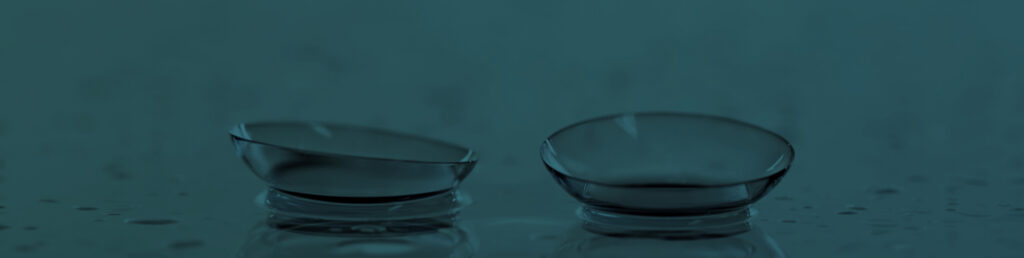
There are several effective options available to help slow the progression of myopia in children. These can include multifocal contact lenses, ortho-k lenses, and other specialized lenses. Each is designed to help manage how the eye grows and focuses light.
Atropine Eye Drops
This is an effective treatment for slowing myopia progression, and it may or may not require the use of glasses or contact lenses. We can discuss whether this option is appropriate for your child. These eye drops work by influencing specific neurotransmitters involved in the development of myopia. While they have shown strong success in reducing myopic progression, the exact mechanism behind their effectiveness is not yet fully understood.
Lifestyle Habits to Support Your Eye Health
Simple daily habits can make a real difference in managing eye strain and supporting healthy vision for the whole family. These small changes can have a positive impact. They are easy to incorporate into your daily routine.
Get More Outdoor Time
Spending time outdoors is one of the most effective ways to support a child’s eye health. A great goal is about two hours a day. Natural light appears to play a protective role in how the eyes develop.
Take Breaks From Screens
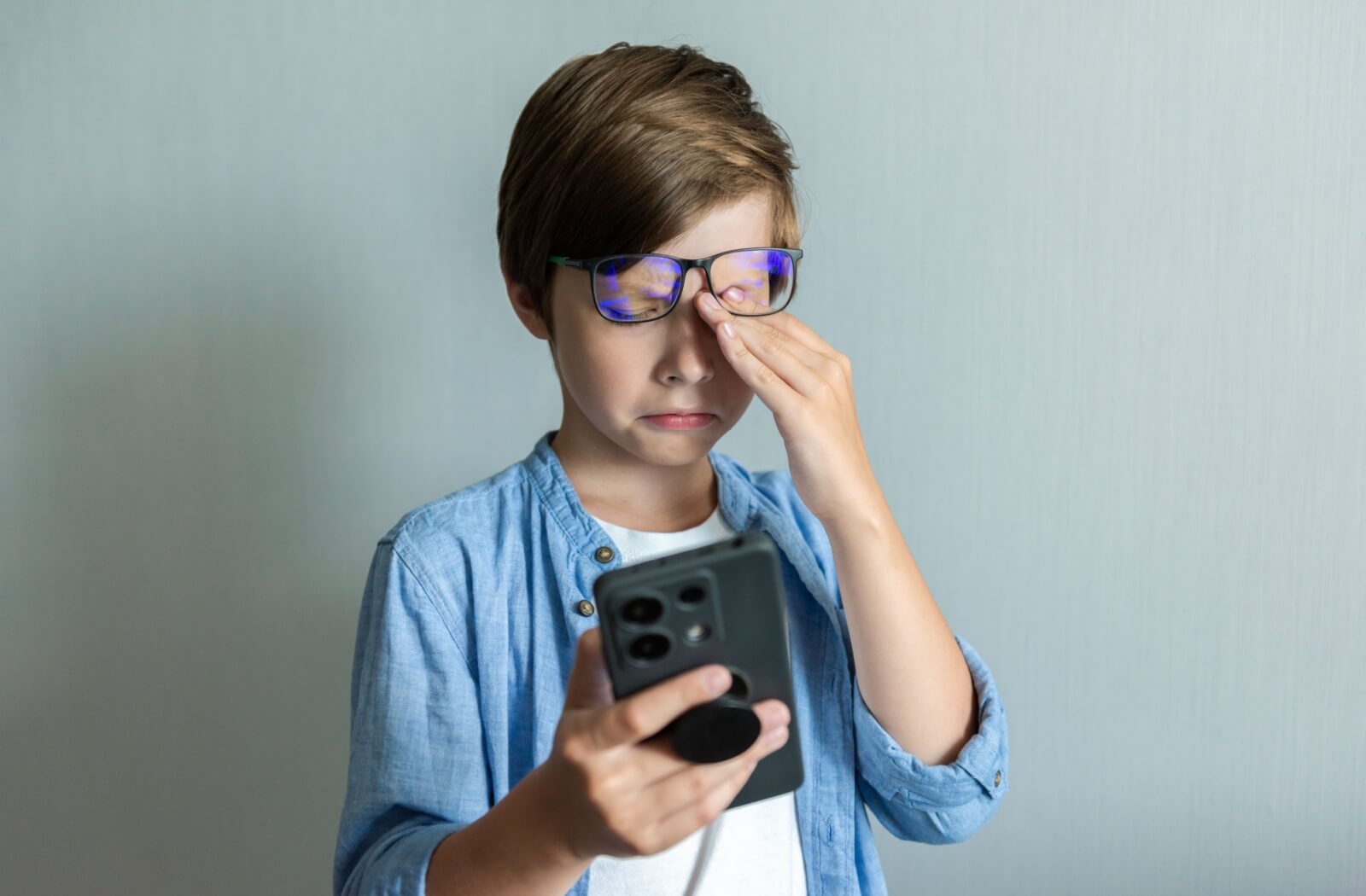
When you’re doing close-up work or using digital devices, remember the 20-20-20 rule. Every 20 minutes, take a 20-second break to look at something 20 feet away. This helps your eye muscles relax and can reduce strain.
Maintain an Updated Prescription
Wearing the correct, up-to-date prescription for glasses or contact lenses helps you see clearly. It also reduces unnecessary eye strain. An annual exam with your eye doctor in Ottawa keeps your prescription current.
Manage Myopia Today
Myopia may not be reversible, but it’s manageable. With the right strategies, we can correct your vision and work to slow its progression. Your proactive approach to eye health makes all the difference.
At Downtown Eye Care & The Contact Lens Department, we’re here to provide personalized care for your entire family. Book an appointment with us today to discuss a myopia management plan that fits your needs.