
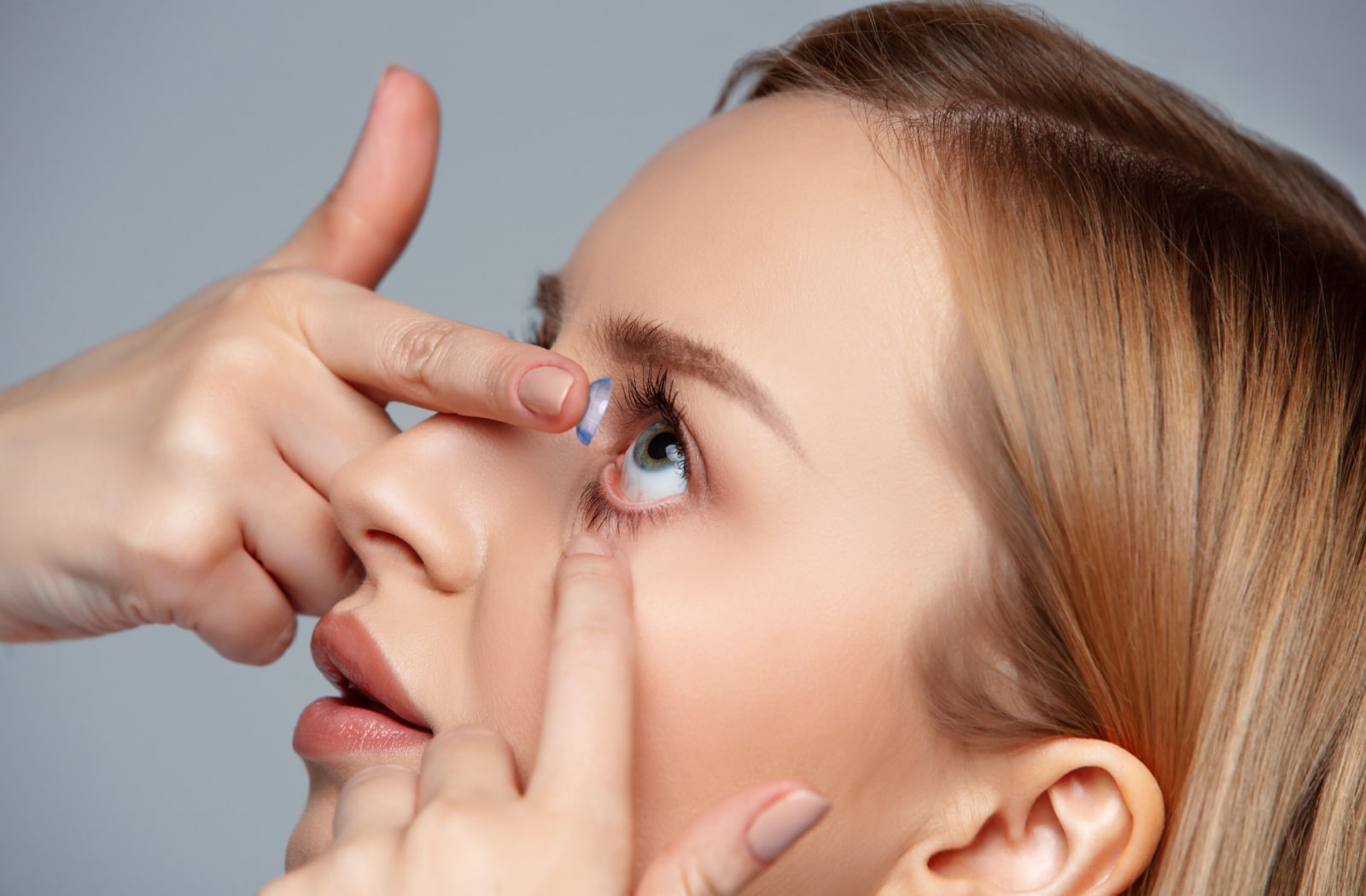
An alternative to eyeglasses can be a game-changer for those with vision problems. Contact lenses provide clear and comfortable vision with added benefits. They come in various types, correcting various vision problems, with 3 common options: disposable, extended-wear, or rigid gas-permeable (RGP) lenses.
Daily disposable lenses are particularly popular because of their convenience and hygienic qualities. But daily contacts aren’t designed to be worn for more than one day.
Discuss your contact options with your optometrist to learn about the best contact styles for your vision needs. They take precise measurements and review your eye health during a fitting to give you advice and information for lenses best suited to your eye needs.
What Are Daily-Wear Contact Lenses?
Many soft contact lenses are intended to be disposed of after a certain amount of time.
Daily contact lenses are intended for single use, worn during the day, and removed and discarded each night before bed. Other soft contact lenses included 2-week or monthly disposable lenses and extended-wear lenses, which can be worn overnight.
How Often Can You Wear Daily Contact Lenses?
Daily contacts are only intended to be worn once, so using them for more than a day is not safe. They’re made of a softer, thinner material than other disposable lenses and aren’t equipped to handle extensive usage. Doing so can cause various issues, such as eye discomfort, infection, hypoxia, and other serious eye conditions.
Increase in Risk of Infection
Wearing daily contacts for more than a day can increase the risk of infection. Bacteria and natural deposits accumulate on the surface of the lenses, which increases your eyes’ vulnerability to infections.
Decreased Oxygen Supply
Contacts restrict the flow of oxygen to the eye, which can cause the cornea to become hypoxic after prolonged use. Hypoxia can lead to swelling and inflammation, which can cause significant eye discomfort and, in severe cases, vision loss. Wearing daily contacts for more than one day increases this risk due to the accumulation of deposits on the lens.
Dry Eyes

Wearing contacts for prolonged periods can also lead to dry eye disease. With daily-wear, the lens absorbs all your eyes’ moisture, leading to decreased moisture and oxygen available to nourish the eye. Over time, this can lead to irritation, redness, and discomfort.
Decreased Lens Comfort
If daily contact lenses are used for an extended period, they accumulate dirt, debris, and bacteria, compromising the lenses’ integrity and leading to eye discomfort and eye infections.
Daily contact lenses aren’t designed to withstand multiple days and are more prone to wearing out, leading to this discomfort.
Can You Sleep in Daily Contact Lenses?
It’s not safe to sleep in daily contact lenses. They aren’t designed for continuous use, and taking chances with them can dramatically increase risks to your eye health. The best thing to do is to remove and discard them at the end of the day.
Alternatives to Daily Contact Lenses
If you’re not satisfied with daily contact lenses, there are other options you can discuss with your optometrist.
Extended-Wear Contact Lenses
Extended-wear contacts are designed for continuous use over an extended period. These lenses can typically be worn continuously for up to 6 nights and 7 days. Some brands, such as AIR OPTIX NIGHT & DAY AQUA, have been approved by the FDA for up to 30 days and nights of continuous wear.
These lenses are made thinner than daily-wear soft lenses or are crafted from advanced materials like silicone hydrogel. This allows for high oxygen transmission, contributing to their comfort and safety for extended use. However, overnight wear should only be undertaken with a doctor’s approval.
While these lenses offer convenience and flexibility, there are pros and cons to their use. They allow for long-term use during the day and night, but their use should be monitored by a contact lens expert. The duration one can wear them depends on individual eye behaviour.
Replacement Contact Lenses
Replacement schedule lenses are similar to an extended-wear lens and last for more than a single use. But unlike extended-wear lenses, you need to remove them every night and clean and store them in a proper cleansing solution.
These lenses range from 2-week to 30-day schedules. But your overall health factors into the schedule you can keep like other contact lenses.
Discuss Contact Lens Options with Your Optometrist in Ottawa
You won’t suddenly lose your vision if you happen to take a nap in your daily contact lenses. But sleeping in them or wearing them for multiple days is not advisable to maintain good eye health. It’s important to follow all manufacturer and optometrist’s directions when wearing contact lenses to minimize your risk of complications.
Call us at Downtown Eye Care & The Contact Lens Department if you still have questions or want to discuss your contact lens options with the optometrist.