
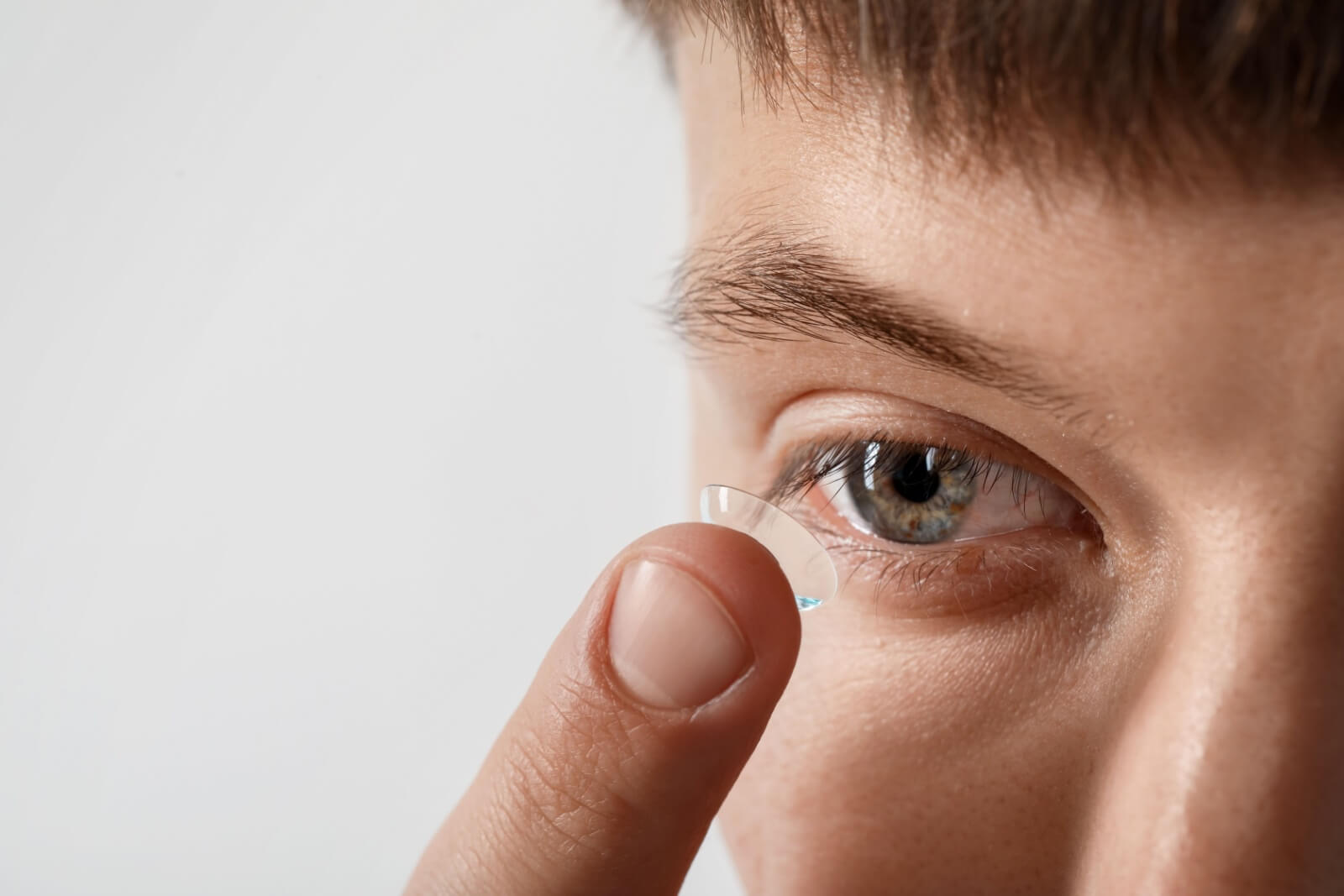
If you’ve been told you have astigmatism, you might wonder if contact lenses are even an option for you. It’s a common concern, especially if glasses feel limiting or you’d just like more flexibility in your day-to-day life. At Downtown Eye Care & The Contact Lens Department, our team works with people across all prescription types, including those with astigmatism, to find contact lenses that actually fit their lives.
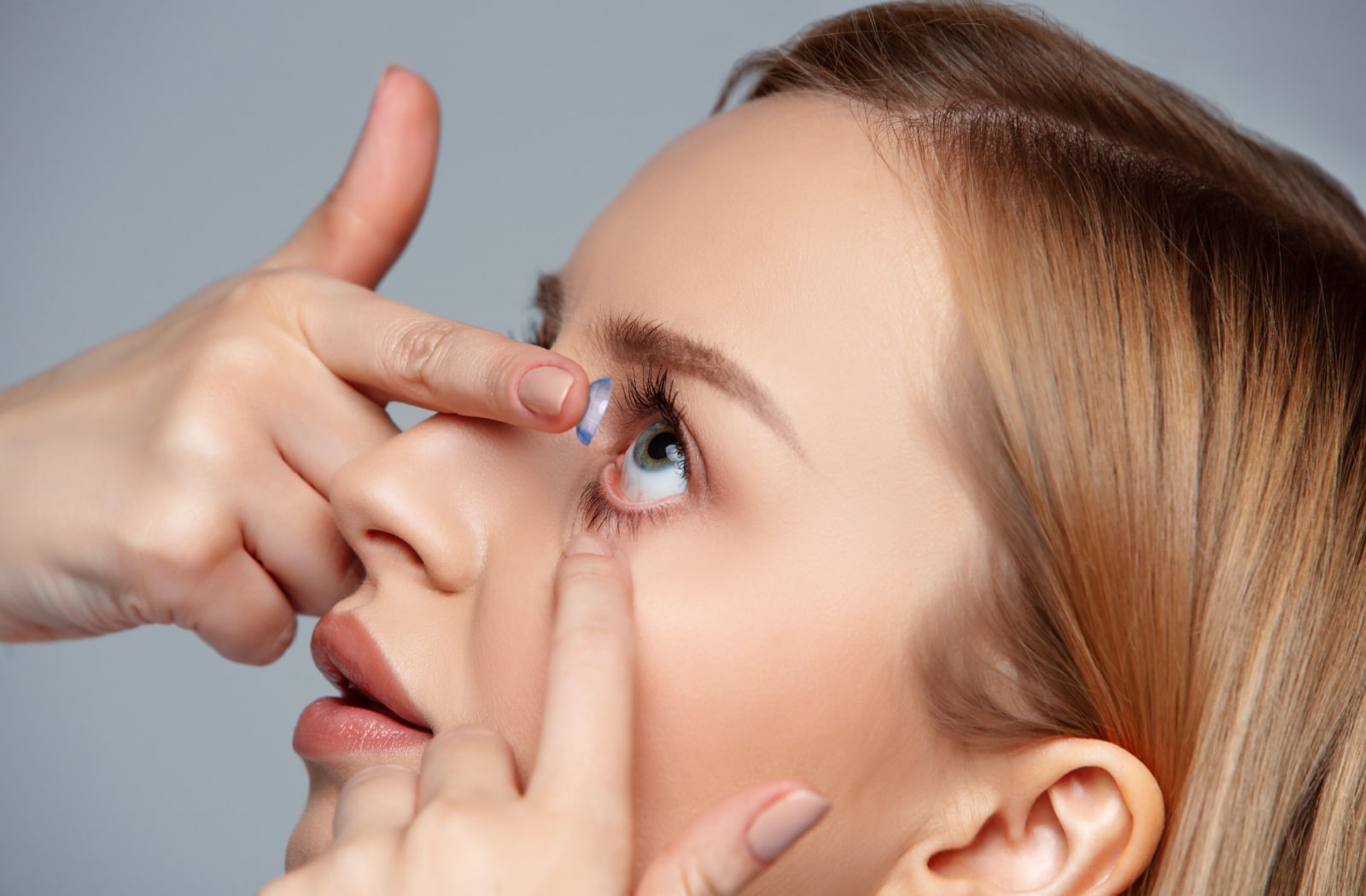
Yes, you can get contact lenses for astigmatism, and there are several types designed specifically for the shape of your eyes. If you’re curious about what’s available, a contact lens exam and fitting is a great place to start.
What Is Astigmatism?
Your cornea (the clear front surface of your eye) is meant to be evenly curved, like a sphere. With astigmatism, the cornea has an uneven curvature, often compared to the shape of a football rather than a sphere. This causes light to scatter across multiple focal points instead of focusing cleanly on a single spot.
The result is vision that can look blurry or distorted at any distance. You might also notice eye strain or headaches after reading or screen time because the eye is working harder than it should to pull things into focus.
Types of Contact Lenses for Astigmatism
Soft Toric Lenses
Toric lenses are among the most common contact lenses for astigmatism. Unlike standard contact lenses, toric lenses have different powers across different zones to account for an uneven corneal shape. They’re designed to sit in a specific orientation on your eye so your vision stays sharp.
You can find soft toric lenses in daily, bi-weekly, and monthly wear options. That flexibility makes it easy to find something that fits your routine, whether you wear contacts every day or just a few times a week.
Specialty Lens Options
For more significant astigmatism or eyes that are harder to fit, there are specialty lenses worth knowing about. Rigid gas-permeable lenses hold their shape on the eye and can provide sharper vision than soft lenses for some people. Scleral lenses are larger lenses that vault over the entire cornea, making them a strong option for complex prescriptions or irregular corneal shapes.
Hybrid lenses offer a middle ground. They have a firm center for clear, stable vision and a soft outer ring for comfort. Your eye doctor can help figure out which of these types of contact lenses makes the most sense for your unique eyes.
Contacts vs. Glasses for Astigmatism
Both contacts and glasses can correct astigmatism, but each does so a little differently. Glasses sit slightly in front of your eyes, while contacts move with your eyes. Because of this, some people find contacts provide a wider field of view and more natural-looking vision.
Glasses, on the other hand, can offer a more precise prescription fit for some people and are easy to take on and off. It’s good to know that you don’t have to choose one or the other: Many people with astigmatism use both. Contacts for active days or social settings, glasses for mornings, evenings, or screen-heavy work.

What to Know Before Getting Contacts for Astigmatism
Fit and Prescription Factors
Getting contacts for astigmatism isn’t as simple as hopping online and ordering lenses without consulting an eye doctor. Toric lenses need to stay in a specific position on your eye to work correctly. Finding the right fit often requires a careful contact lens exam performed by a professional, separate from your regular eye exam.
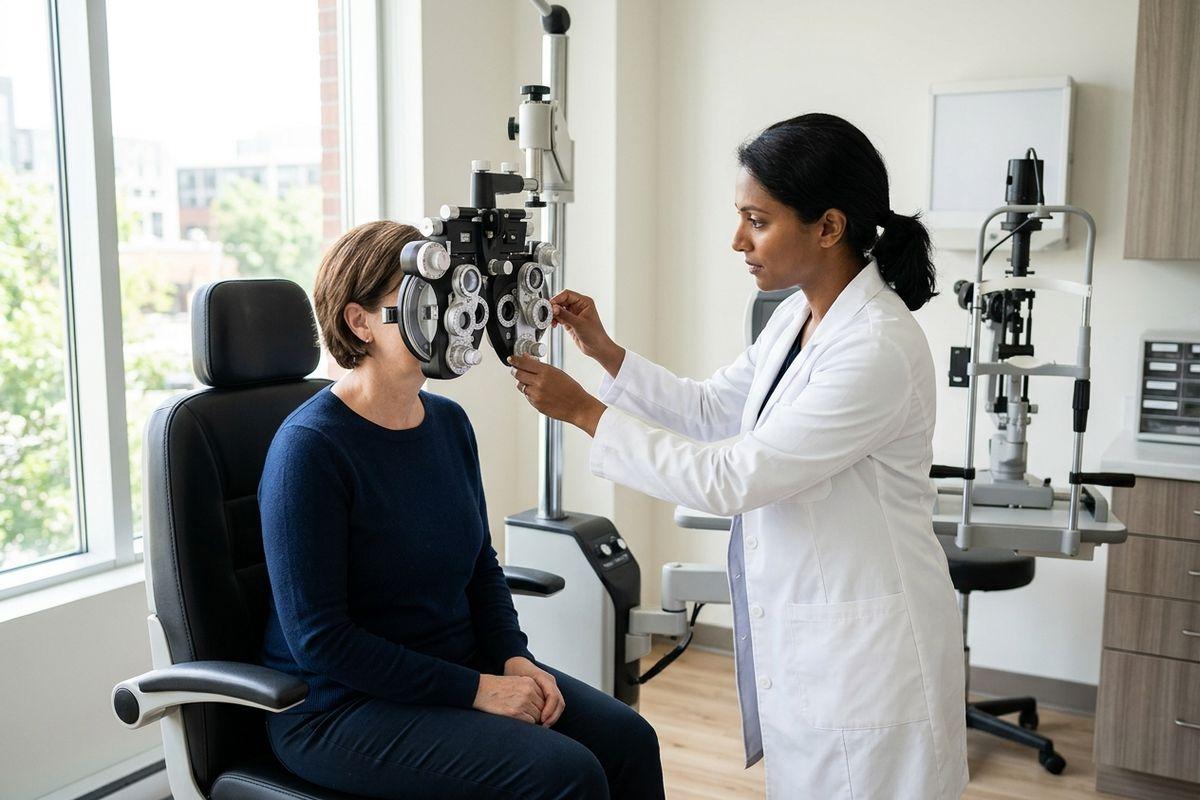
A contact lens exam includes measurements specific to how a lens will sit and move on your eye. It’s worth going through this step properly so you’re not dealing with lenses that constantly feel off.
Cost and Adjustment Time
Contact lenses like sclerals and toric designs tend to cost more than standard contacts because of their design and manufacturing. Our team is here to answer any of your pricing questions in advance so you can plan ahead.
Some people adapt to toric or specialty lenses quickly, while others need a short adjustment period. If something feels uncomfortable or your vision isn’t as clear as expected, a follow-up visit can help our eye doctor fine-tune the fit. Proper contact lens care and cleaning habits also help keep your lenses comfortable over time.
How an Eye Doctor Can Help
A thorough eye exam is where everything starts. It confirms the type and degree of your astigmatism so our eye care team can recommend the contact lens that fits your eyes and your life. Lifestyle details matter here too, like how many hours you spend on screens, whether you play sports, or if you have dry eye alongside astigmatism.
Follow-up visits after your first fitting help make sure your lenses are sitting correctly and that your vision feels right. With a little help from our team, you can find contact lenses you’ll love to wear and that work for your life.
Schedule Your Contact Lens Fitting
At Downtown Eye Care & The Contact Lens Department, we want you to know that you don’t have to put off wearing contacts because of astigmatism. Our team takes the time to match you with the right lens for your prescription and lifestyle. Book your contact lens exam today.