

Key Takeaways
- Watery eyes can come from allergies, colds, eyelid problems, blocked tear ducts, blocked oil glands, or something irritating your eye.
- Dry eye disease can lead to an unstable tear film, producing excessive tearing that only worsens the symptoms.
- Babies, kids, and adults 65+ can all have tear duct problems, and care looks different at each age.
- Treatment depends on what’s behind your irritated, watery eyes.
- Book a visit if watery eyes keep coming back, hurt (burn/sting), or come with a lump within your lids.
Tears keep the front of your eye moist and wash away dust with each blink. Your eyes make them all day, and small openings in the inner corners of your eyelids drain them into your nose. This protective shell is complex and very important in keeping your eyes healthy and seeing clearly.
At Downtown Eye Care & The Contact Lens Department, we see patients of all ages whose eyes keep watering. Irritation from dust, an infection, or an unstable tear film can trigger extra tears. These tears help flush the eye but, in excess, they can further disrupt its protective tear film. Poor tear drainage or restricted release of oil from eyelid glands can also cause watering. If dry eye is a factor, dry eye treatment can help your eyes feel more comfortable.
What Causes Watery Eyes?
Several everyday issues can leave your eyes wet and teary.
Allergies and Colds
A cold or another upper respiratory infection can make your eyes water along with your stuffy nose. Eye allergies can have the same effect when your immune system reacts to something like pollen or pet dander.
You may notice these signs along with your watery eyes:
- Itchy eyes
- Puffy lids
- With or without:
- A runny nose
- Frequent sneezing
Eyelid and Tear Duct Problems
When your eyelid glands (meibomian glands) or tear ducts don’t work the way they should, tears can pool and spill onto your cheek.
Your optometrist may find one of these problems:
- An eyelid that turns inward
- An eyelid that sags or turns outward
- Eyelashes that rub against your eye
- Narrowed tear ducts
- Blocked tear ducts
Meibomian Gland Dysfunction (MGD) and Anterior Blepharitis
One of the common contributors to dry eye disease is meibomian gland dysfunction (MGD). The meibomian glands are tiny oil-producing glands located along the edges of your eyelids. They release oil that helps prevent your tears from evaporating too quickly and keeps your tear film stable.
When these glands become blocked or don’t release enough healthy oil, the tear film can become unstable. Your eyes may feel dry, gritty, or irritated, and they may produce extra reflex tears. This can lead to watery eyes even when your eyes feel dry.
Another eyelid condition that can contribute to irritation is anterior blepharitis. This affects the front edge of the eyelids, around the lash line, where oil, debris, and bacteria can build up. It may cause:
- Itchy or irritated lashes
- Redness along the eyelid edges
- Puffy or swollen eyelids
- Crusting or debris around the lashes
- Red, irritated, or watery eyes
The eyelid margin sits very close to the surface of the eye. When inflammation or buildup occurs along the lash line, it can irritate the cornea and contribute to redness and discomfort.
Although problems with tear duct drainage can also cause watery eyes, meibomian gland dysfunction and eyelid inflammation are important contributors to dry eye symptoms. Identifying and treating the underlying cause can help improve eye comfort and reduce excessive tearing.
Eye Irritation
A scratch on your eye or a speck of dust can bring on a rush of tears as your eye tries to flush it out. Smoke and cold wind can make your eyes water too.
This kind of irritation often comes with pain, redness, or sensitivity to light.
How Can Dry Eye Disease Cause Watery Eyes?
It sounds backward, but dry eyes can also be watery eyes. When your eyes feel dry and irritated, they can respond with extra tears, called reflex tears. These tears are mainly watery and may not keep your eyes moist for long. A balance of water and oil components is needed for a healthy, stable tear. As a result, the dry feeling can return soon after.
Dry eye disease can also show up with signs like these:
- Stinging
- A burning feeling
- Stringy mucus near your eye
- Blurry vision that comes and goes
Watery Eyes in Babies, Kids, and Adults 65+
Tear duct and oil gland problems can appear at any age, and care looks a little different at each stage of life.
Blocked Tear Ducts in Babies
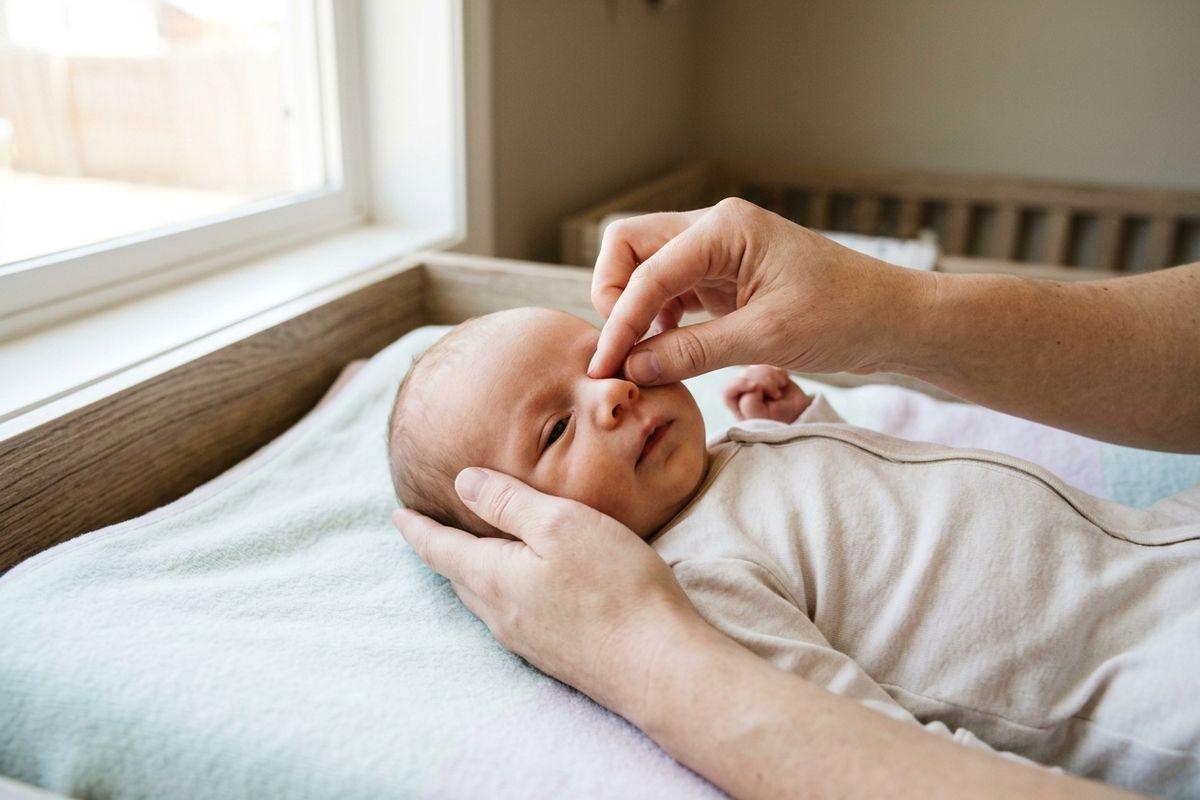
Some babies are born with a tear duct that hasn’t fully opened, which can leave an eye teary or crusty even when they aren’t crying.
The duct often opens on its own within the first year. In the meantime, your optometrist can show you how to gently massage the area between the inner corner of the eye and the nose.
Blocked Tear Ducts in Kids
Older kids with a blocked tear duct may need a bit more help. Tear duct probing is often the first step. In some cases, a small tube can keep the duct open for a few months.
Tear Duct Changes in Adults 65+
Tear ducts often narrow with age, which makes it harder for tears to drain. For adults 65+, this is a common reason for watery eyes that have nothing to do with allergies or a cold.
Ageing and certain medications can affect the glands that produce the water, oils, and other components of your tear film. Nerves on the surface of your eyes help signal when more tears are needed, and as these nerves can become less sensitive with age, your tear production can fall out of balance while feeling less irritation. This is one reason dry eye can develop with few or no noticeable symptoms.
How Can You Treat Watery Eyes?
Treatment depends on what’s causing your watery eyes, and mild cases often improve at home.
Simple Relief at Home
For dry or irritated eyes, artificial tears that are able to help stabilize your tear film can help the surface recover and soothe the scratchy feeling. A warm compress or eye mask can relax our focus/ accommodative muscles and keep your oil glands flowing to bring some comfort after a long day of screen time.
Oil, debris, and bacteria can build up along your eyelid margins and lash line, especially when you have anterior blepharitis or meibomian gland dysfunction. A warm compress can help soften the buildup and encourage oil to flow from the meibomian glands. A recommended eyelid cleanser can then help remove debris and keep the lash line clean.
Consistent eyelid hygiene is an important part of managing these conditions and may help reduce irritation, redness, and discomfort.
So, be sure to wash your eye mask often to keep it clean before and after it touches your eyes.
Professional Treatment for Watery Eyes
When home care isn’t enough, your optometrist can recommend treatment based on the cause. Options can include:
- Prescription eye drops for dry eye disease
- Tear duct plugs that help keep moisture on your eye
- A nasal steroid spray for allergy symptoms
- Surgery to open a new tear drainage path for some adults with blocked tear ducts
When to See an Optometrist for Watery Eyes
Book a visit with your optometrist if your symptoms last or get worse, or if you notice any of these signs:
- Red, watery eyes that keep coming back with no clear reason
- A hard lump near the inner corner of your eye
- Eye pain
- Sensitivity to light
- Changes in your vision
Your optometrist will ask about your symptoms, then examine your eyelids, tear ducts, and the front surface of your eye. Regular eye exams also give your optometrist a chance to spot dry eye early, before it affects your comfort.
Book an Eye Exam for Your Watery Eyes
Constant tearing can make reading and driving less comfortable. The optometrists at Downtown Eye Care & The Contact Lens Department can look for the cause of your watery eyes and build a care plan around it.
Book an appointment for yourself or anyone in your family who’s dealing with watery eyes.