Discover how hard and soft contact lenses compare for comfort, vision, and daily care with Downtown Eye Care & The Contact Lens Department in Ottawa, ON.
Contact lenses fall into 2 broad groups: soft lenses and hard lenses. Both correct your vision, but they’re made from different materials, and your prescription and eye shape can affect which one works for you.
Soft lenses handle most everyday prescriptions, including daily disposables that you throw away each night. Your optometrist may suggest hard lenses when a contact lens exam and fitting shows a firmer lens could give you clearer vision. The main difference is the material: soft lenses are flexible and mould to the front of your eye, while hard lenses hold their own shape.
The 2 Main Types of Contact Lenses
Both types are thin lenses sitting on the surface of your eye. From there, they part ways.
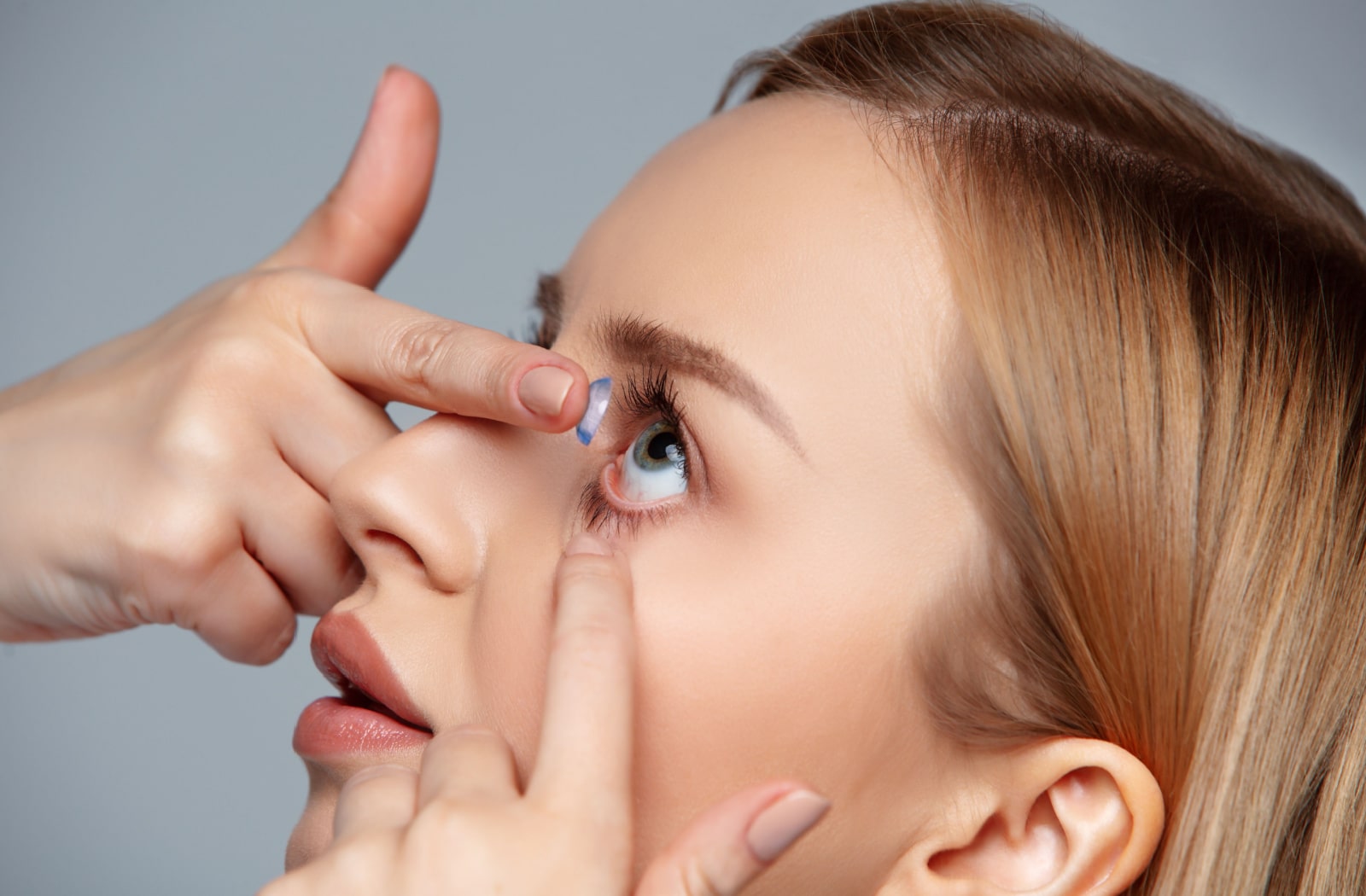
Soft lenses are made from water-containing plastics called hydrogels or silicone hydrogels. They’re slightly larger than the coloured part of your eye and drape over it, so they move with each blink without you feeling much.
When people talk about hard lenses today, they usually mean rigid gas permeable (RGP) lenses. Unlike older hard plastic lenses, RGP lenses let oxygen pass through to your cornea, the clear front surface of your eye. There are also several types of RGP lenses: smaller corneal RGPs, larger Scleral RGP lenses, and blended lenses that combine soft and RGP.
Pros & Cons of Soft Contact Lenses
Soft lenses usually feel comfortable within minutes, so most new wearers adjust quickly. They also stay in place during sports, which helps kids heading to hockey practice and adults at the gym.
You can wear them every day or only on weekends. They also come in toric designs for astigmatism and multifocal designs for people who need help seeing both near and far.
Soft lenses have a few trade-offs to think about:
- They can dry out over a long day, especially in front of a screen or in a heated room
- Proteins and oils from your tears can build up on the lens
- They tear more easily than hard lenses
- There are several older or lower-cost lens materials to be aware of that allow less oxygen to reach the cornea.
Pros & Cons of Hard Contact Lenses
An RGP lens keeps its shape on your eye, so it gives you a smooth, stable surface to see through. Tears fill the space between the lens and your cornea, which can correct uneven curves that a soft lens would follow. That’s why RGP lenses are often more effective for people with astigmatism and irregular corneal curvatures.
They’re durable, too. With good care, a pair can often last a year or more, and the firm material resists the deposits that build up on soft lenses. Handling is easier because an RGP lens can’t flip inside out on your fingertip.
Hard lenses come with their own trade-offs:
- Getting used to them often takes 1 to 2 weeks of gradually longer wear
- Smaller corneal RGP designs can pop out more easily during contact sports.
- Corneal RGP lenses generally feel more comfortable with consistent wear, making them less suitable for occasional use.
- Scleral and hybrid lenses generally offer better stability during sports, but their higher cost may be harder to justify for part-time wear.
Which Lens Type Fits Your Eyes and Lifestyle
Soft lenses often suit first-time wearers and active kids. They also work well if you only want contacts part-time, such as weekends or occasional evenings out.
Hard lenses can be a good match in several situations:
- Moderate to high astigmatism
- A high prescription
- Keratoconus, a condition where the cornea thins and bulges into a cone shape
- Dry eye that makes soft lenses uncomfortable
The team can review your prescription and eye health to see whether ortho-k or another hard lens design fits your needs.
Daily Habits for Healthy Wear
Both lens types need daily care to stay comfortable and protect your eyes:
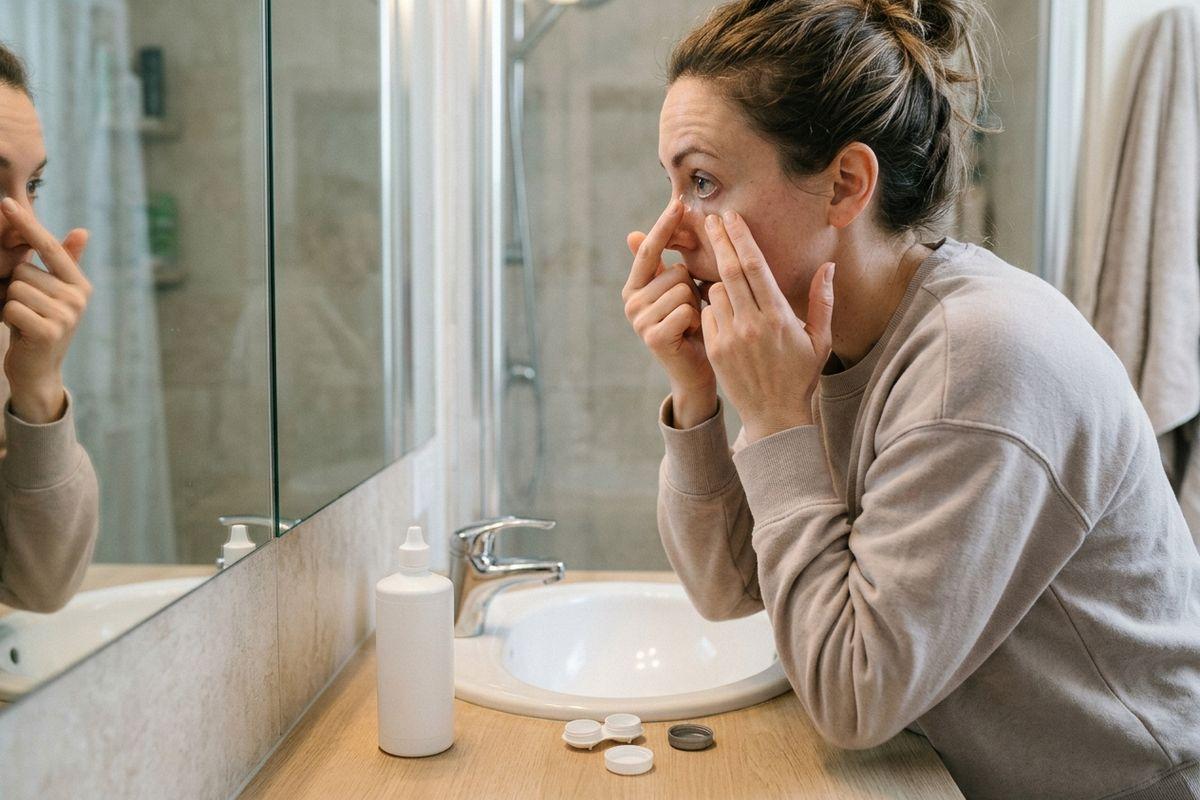
- Wash and dry your hands before you touch your lenses
- Clean and store your lenses in the solution your optometrist recommends, and never use tap water or saliva
- Stick to the wear and replacement schedule you were given, even when your lenses still feel fine
- Take your lenses out before you sleep or nap, unless they’re designed for overnight wear
If your eye becomes painful or your vision turns blurry, take your lenses out right away. Contact us if it doesn’t improve within a few hours so your optometrist can check your eye’s surface.
What Happens at a Contact Lens Fitting
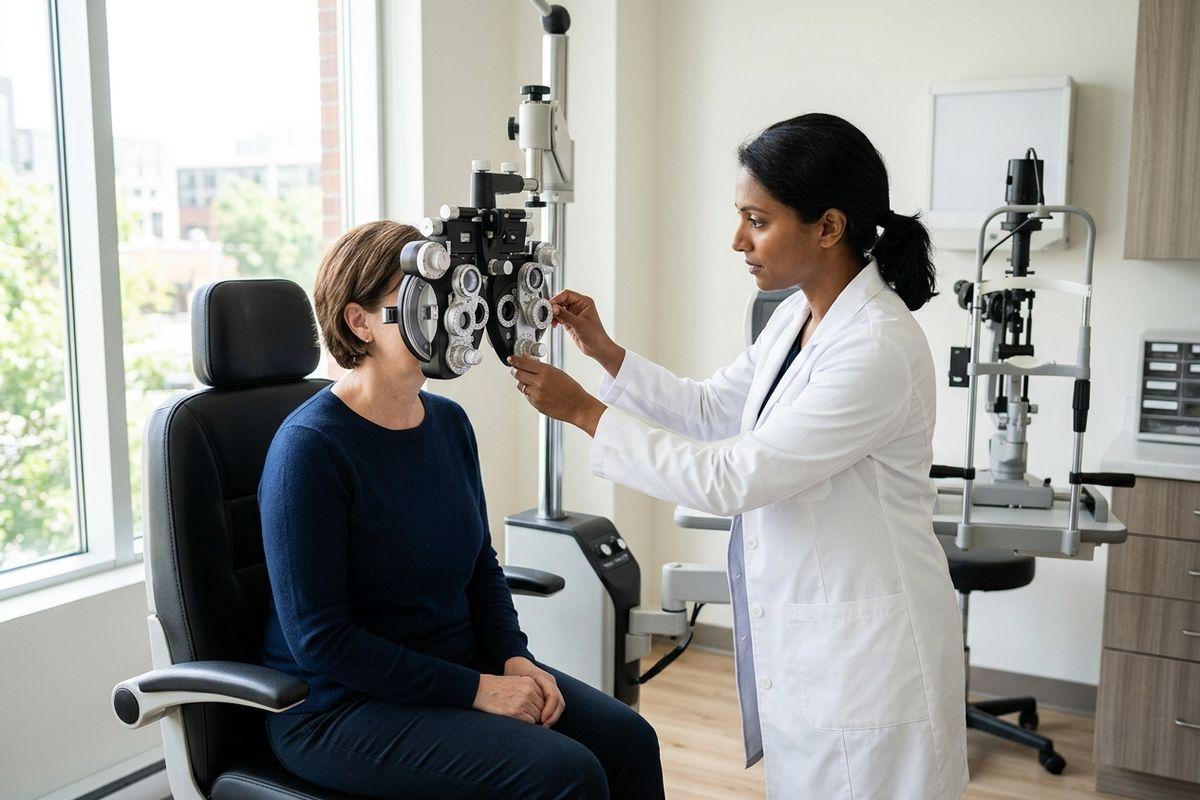
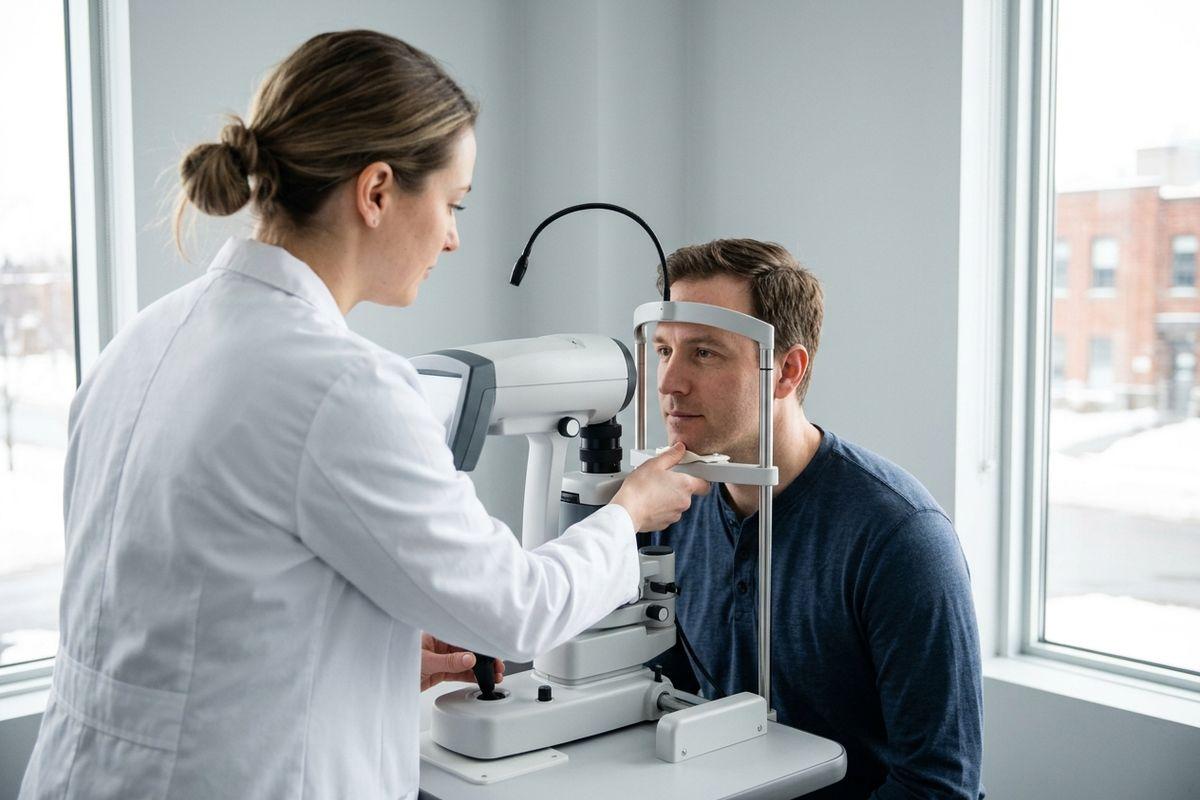
A fitting starts with an assessment of your eye health and current prescription. Your optometrist then measures the curve of your cornea so the lens can sit properly on your eye.
Next, you’ll try trial lenses and practise putting them in and taking them out. With RGP lenses, we’ll usually plan 1 or 2 follow-up visits to check the fit once your eyes have adjusted. It’s a chance to ask the questions you’ve been meaning to ask, including how the lenses should feel at hour ten, not just hour one.
Getting Fitted for Hard or Soft Contact Lenses
The right lens depends on your eyes and how you plan to wear them, and that answer can change over the years. At Downtown Eye Care & The Contact Lens Department, our optometrists fit both soft and RGP lenses, including specialty designs for keratoconus and ortho-k.
Book a contact lens fitting, and we can walk you through both options for your eyes.